 Image: techpowerup.com
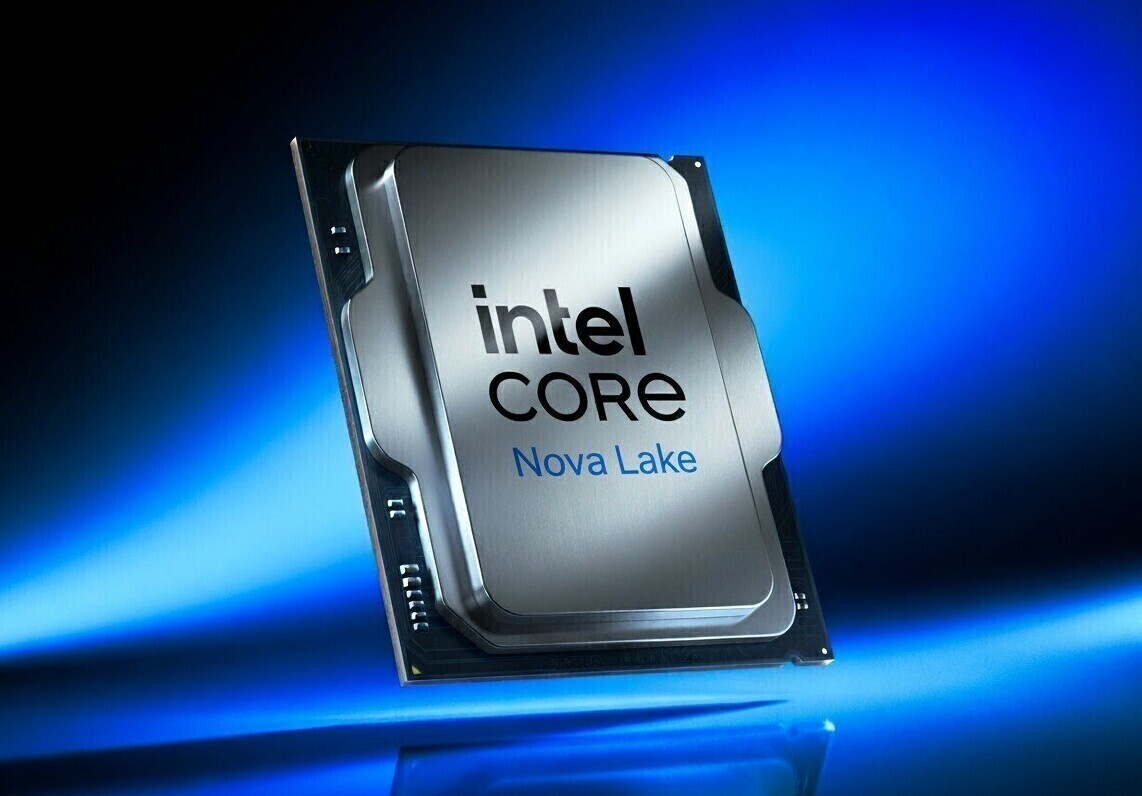
Intel is gearing up for one of its most ambitious CPU launches in years. As of mid-2026, the company has confirmed that its next-generation Core Ultra Series 4 processors, codenamed Nova Lake, will arrive in late 2026, bringing a dramatic increase in core counts, a new socket, and architectural advancements aimed squarely at reclaiming ground in the desktop market.
Recent sightings at Computex 2026, including early Z990 motherboards, alongside repeated affirmations from CEO Lip-Bu Tan, underscore that Nova Lake remains on track despite shifting rumors around exact timing. This platform promises to deliver significant multi-core gains and better competition against AMD's cache-heavy offerings.
Core Architecture and Flagship Specs
Nova Lake introduces Coyote Cove performance cores and Arctic Wolf efficiency cores in a hybrid design. The rumored flagship desktop model packs an impressive 16 P-cores, 32 E-cores, and 4 low-power E-cores for a total of 52 cores. This represents a substantial leap from Arrow Lake's maximum of 24 cores.
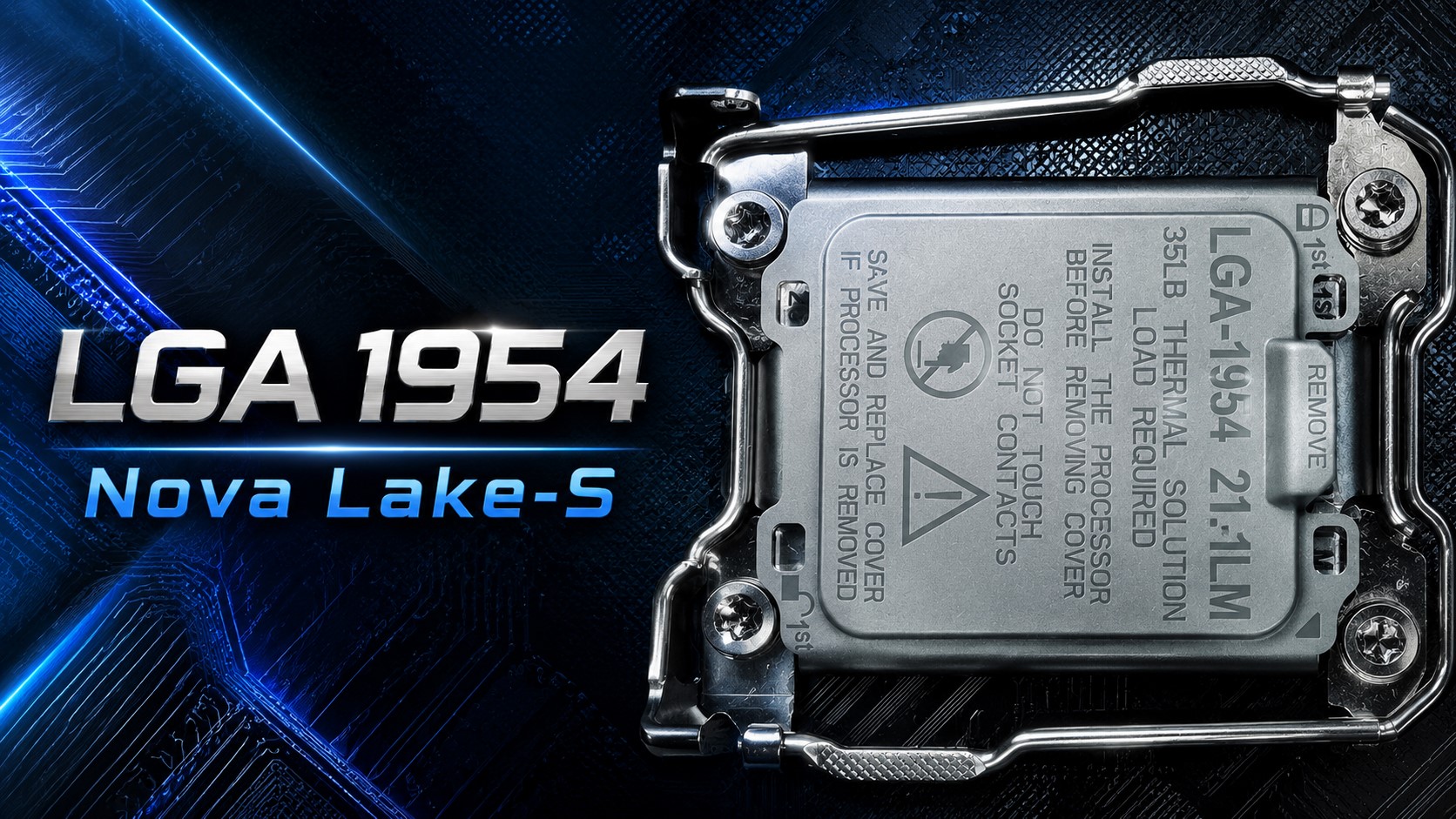 Image: wccftech.com
High-end variants are expected to feature dual compute tiles, enabling the massive core counts while incorporating Intel's Big Last Level Cache (bLLC) technology. Leaks point to cache sizes reaching 144MB or even higher in top SKUs—potentially up to 288MB in enthusiast configurations—to directly challenge AMD's 3D V-Cache advantages in gaming and productivity workloads.
Additional highlights include an upgraded Xe3 integrated GPU and support for new instruction set extensions like AVX10.1, AVX10.2, and APX, making Nova Lake the first consumer platform to offer these capabilities. TDP ratings are anticipated to range from 65W for mainstream parts up to 150W or more for flagships.
New Platform: LGA 1954 Socket and Chipset Upgrades
A key change is the shift to the new LGA 1954 socket, ending compatibility with the current LGA 1851 used by Arrow Lake and its refresh. This necessitates new motherboards, with Z990 chipsets already spotted at Computex 2026.
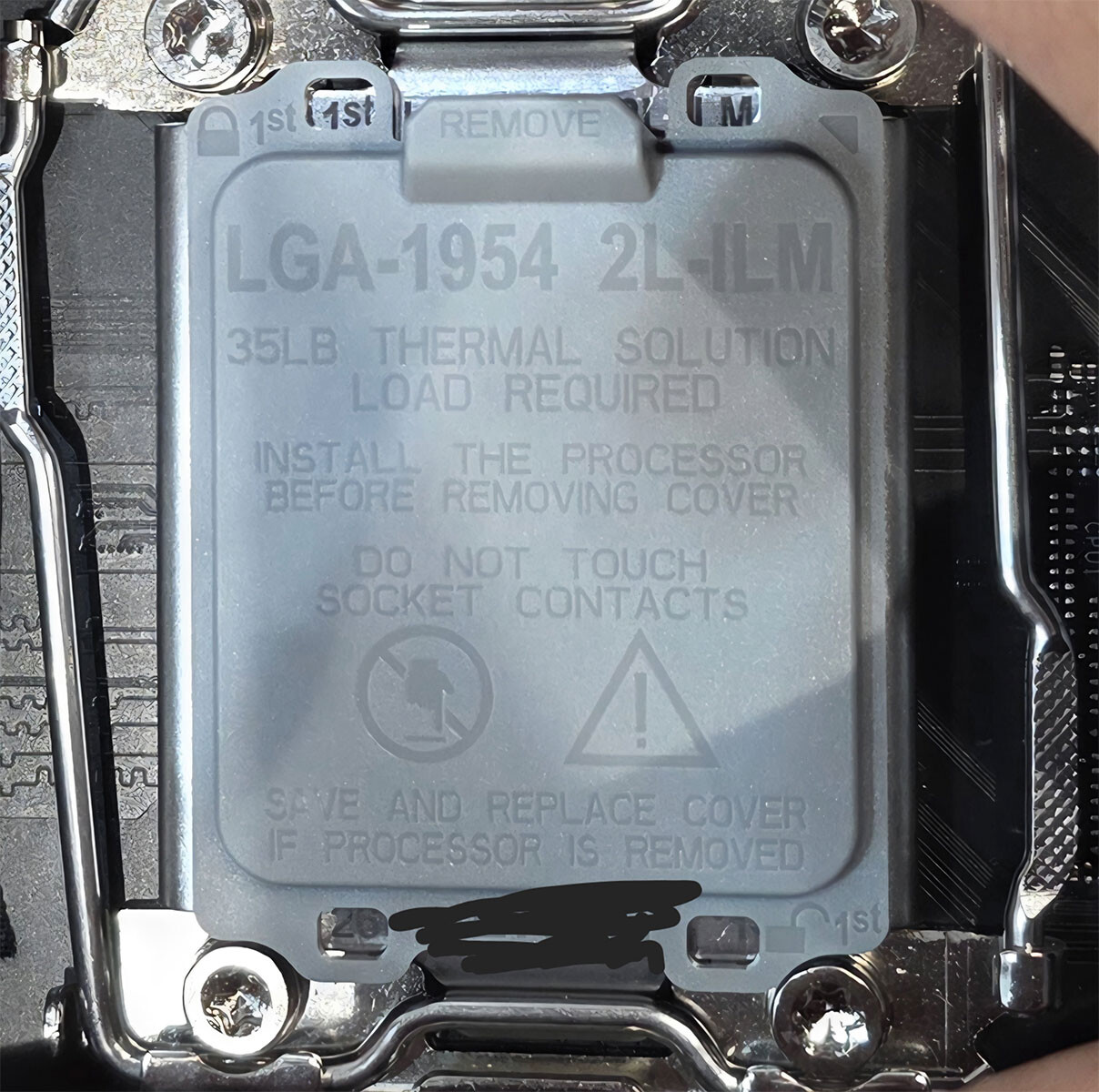 Image: techpowerup.com
Intel appears focused on platform longevity this time around, with reports suggesting future generations like Razor Lake could remain pin-compatible. Expect enhanced connectivity including Thunderbolt 5 and Wi-Fi 7 support on the new boards, alongside improved power delivery for the higher core counts.
Some mobile and budget-oriented Nova Lake variants may use Intel's 18A process for certain tiles, while others could leverage external foundry nodes like TSMC N2 for optimal performance and efficiency.
Performance Outlook and Market Context
Early projections suggest Nova Lake could deliver around 10% better single-thread performance and up to 60% or more in multi-threaded tasks compared to Arrow Lake. The combination of higher core counts, improved cache, and architectural refinements positions it as a strong contender against AMD's upcoming Zen 6 processors.
Intel is emphasizing AI acceleration, content creation, and high-productivity workloads alongside gaming improvements via the big cache. This comes after mixed reception to Arrow Lake's gaming performance, making Nova Lake a critical reset for the company's client CPU reputation.
Practical tip: If you're building a new system now, consider waiting for Nova Lake if your workloads are multi-core heavy. Existing LGA 1851 users may benefit from Arrow Lake Refresh options in the interim for better value before committing to a full platform upgrade.
Timeline, Availability, and Buying Advice
Intel has targeted a second-half 2026 launch, with some sources pointing to a Q3 2026 debut or a CES 2027 announcement followed by quick retail availability. Desktop SKUs are expected to lead, followed by mobile variants. A broader roadmap includes follow-on architectures like Razor Lake in 2027.
For enthusiasts and professionals, monitor official Intel channels and reputable hardware outlets for final specs closer to launch. Budget buyers should watch for lower-core configurations that could offer strong value with the new platform features.
In summary, Nova Lake represents Intel's renewed push for innovation in the CPU space. With its ambitious specs and new ecosystem, it has the potential to reshape desktop computing expectations by the end of the year.