 Image: howtogeek.com
Google's announcement of the Fitbit Air today feels like a genuine inflection point in fitness-based wearable technology. Teased for weeks with help from NBA star and Google Performance Advisor Stephen Curry, this screenless band marks the first major new Fitbit hardware launch since Google acquired the company in 2021. Gone are the displays that defined previous models. In their place? A tiny 5.2-gram sensor pod designed for total passive tracking, AI insights powered by Gemini, and a focus on recovery that directly challenges Whoop—at a fraction of the long-term cost.
The Fitbit Air isn't trying to be a smartwatch. It's not even trying to show you data on your wrist. Instead, it disappears into the background (literally weighing just 12 grams with a band), collecting heart rate, sleep, activity, and more before delivering personalized recommendations through your phone. With pre-orders starting today and shipping beginning May 26, is this the accessible AI health coach the industry has been missing? Let's dive into what's been revealed so far.
Design and Comfort: So Light You'll Forget It's There
The standout feature of the Fitbit Air is its minimalist, screen-free design. The core is a small "pebble" sensor module made from polycarbonate and PBT plastics that slots securely into one of several interchangeable bands. At 25% smaller than the Fitbit Luxe and 50% smaller than the Inspire 3, it's incredibly discreet.
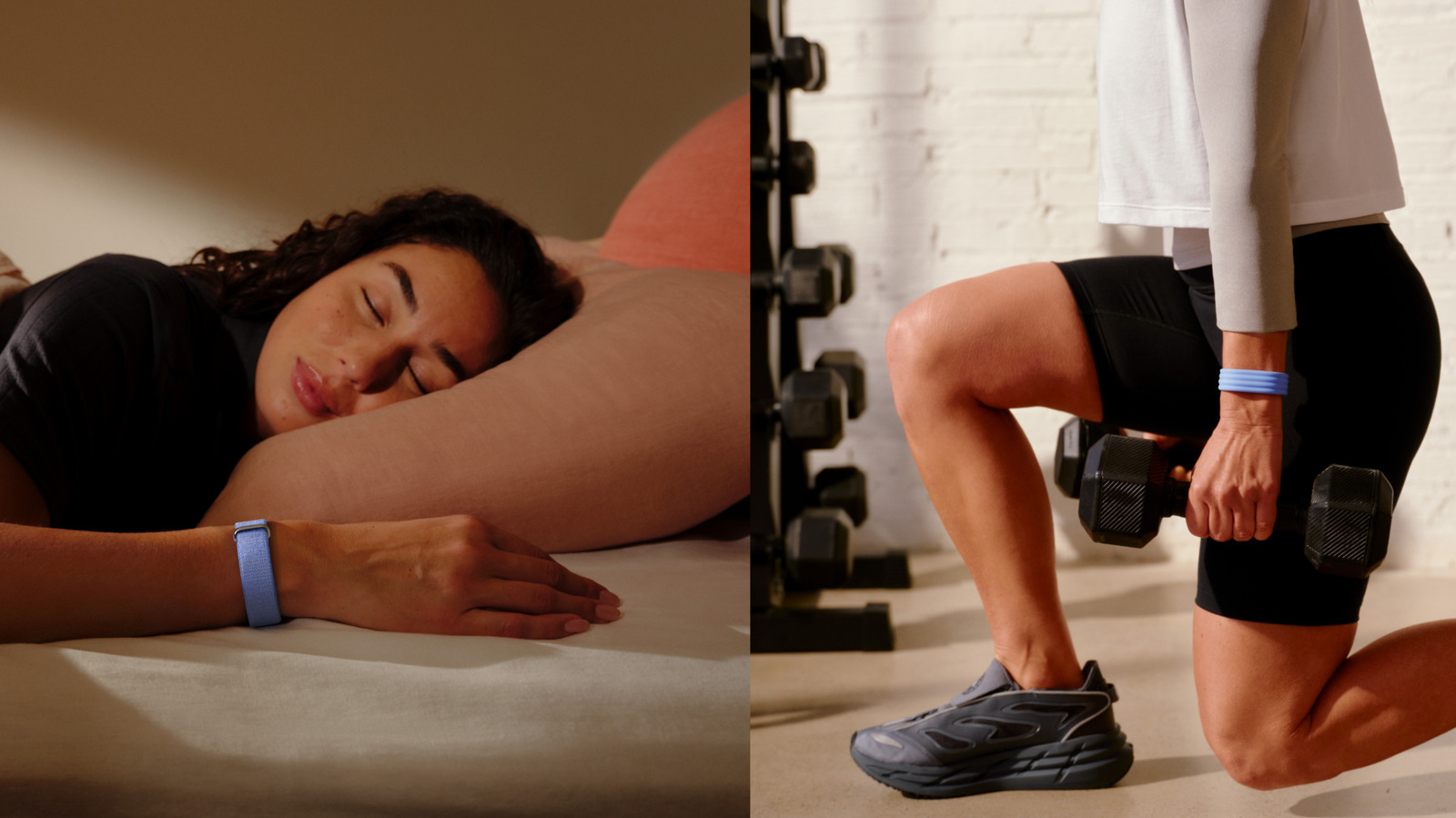 Image: engadget.com
Google claims it's been rated more comfortable than leading competitors in independent testing, with a secure micro-adjustable fit and features like raised interior prints for airflow (especially in the Stephen Curry special edition). You'll barely notice it during workouts, sleep, or everyday wear—exactly the point for a device meant for continuous data collection.
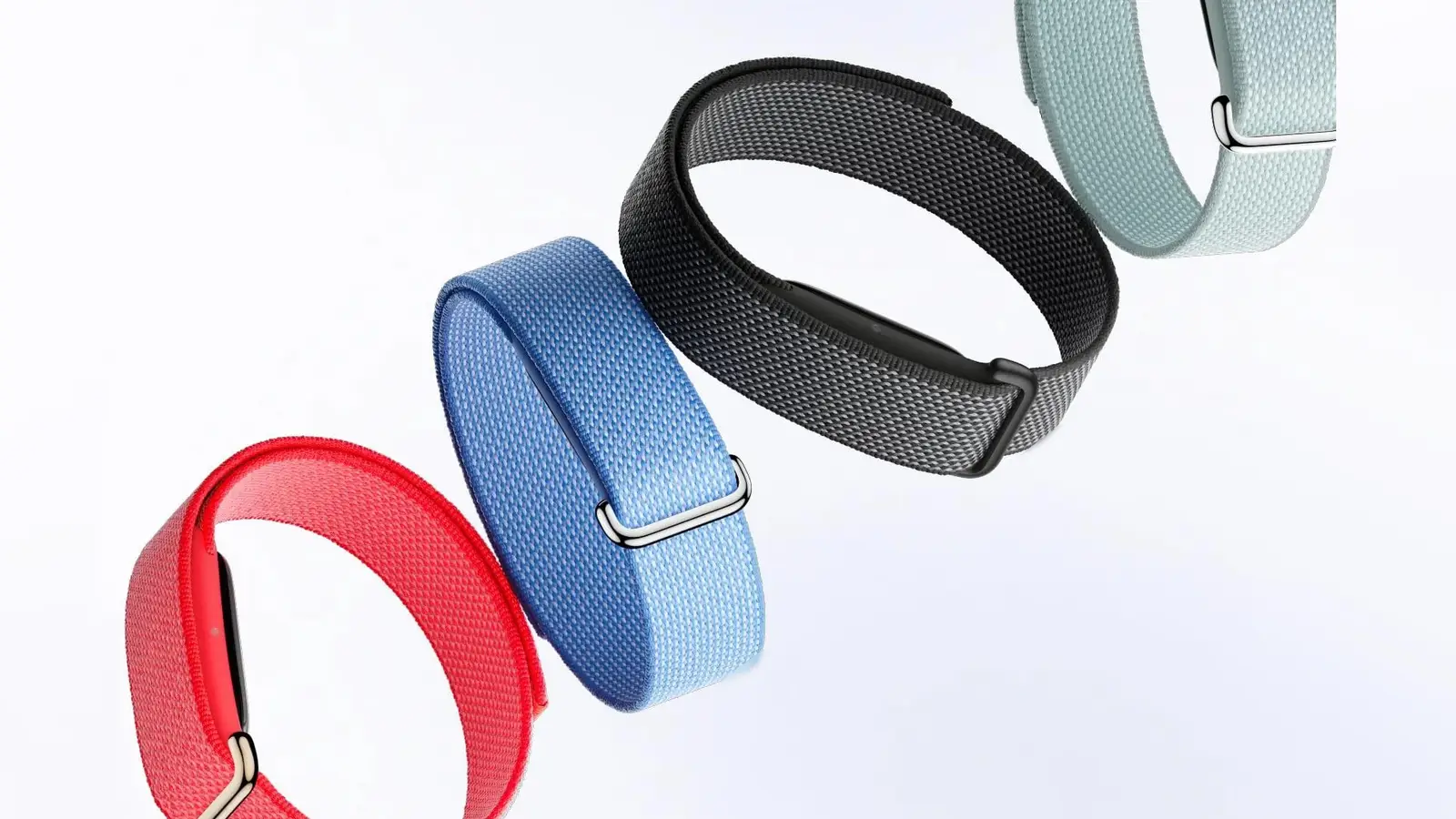
Band options are extensive and stylish, including:
- Performance Loop Band (woven fabric, available in Obsidian, Fog, Lavender, Berry)
- Active Band (sweatproof silicone in multiple sizes and colors)
- Elevated SoftFlex or modern bands for a more lifestyle-oriented look
- Metal Mesh Band (premium stainless steel options in Silver or Warm Gold)
A special edition collaboration with Steph Curry adds signature design details, extra water resistance, and commands a $130 price. The standard model starts at $99. Water resistance is rated to 50 meters, making it suitable for swimming (though not officially labeled as waterproof). A vibration motor provides discreet alerts for Smart Wake alarms and low battery notifications, while a tiny LED handles pairing and charging status.
Practical tip: Choose your band wisely. The Performance Loop offers the best everyday comfort and adjustability, while Active bands excel during intense training. Since the pod is swappable, you can easily switch styles without buying multiple full devices.
Health Tracking Features: Passive Data Collection Meets Advanced Metrics
Without a screen, the Fitbit Air relies entirely on the companion app (rebranded as Google Health) for feedback. But don't let the minimalism fool you—the sensor suite is robust. It includes an optical heart rate monitor (sampling every 2 seconds), SpO2 via red and infrared sensors, skin temperature, 3-axis accelerometer, and gyroscope.
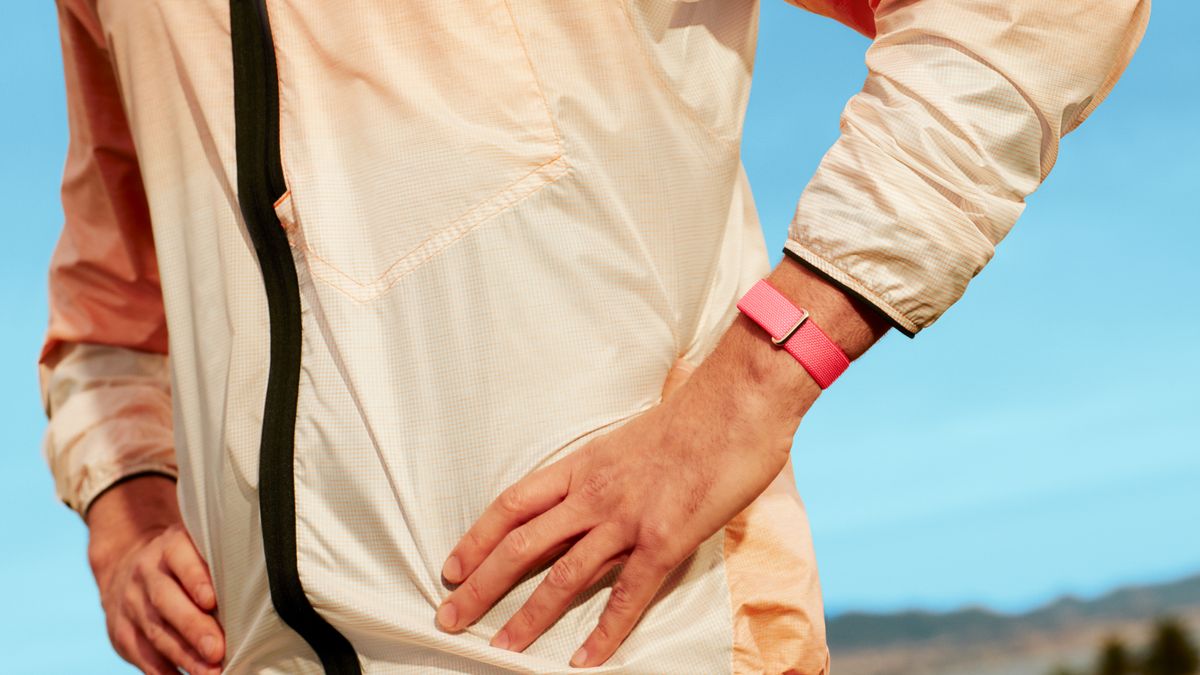 Image: tomsguide.com
Key tracking capabilities include:
- 24/7 heart rate, heart rate variability (HRV), and irregular rhythm notifications (FDA-cleared AFib detection)
- Advanced sleep tracking with stages, Sleep Score, and improved accuracy via new machine learning models
- Daily Readiness Score, Cardio Load, automatic exercise detection (running, biking, rowing, etc.)
- Steps, active minutes, distance (via connected phone GPS), and over 40 workout modes started from the app
- Skin temperature trends and more
Data storage covers 7 days of detailed motion data. No built-in GPS means you'll need your phone for mapped workouts, but this helps preserve battery life. The device works with both Android (11+) and iOS (16.4+).
What truly sets it apart is the integration with Google Health Coach, a Gemini-powered AI assistant. This conversational tool analyzes your sleep, HRV trends, activity, and even meal photos to deliver personalized advice on training plans, recovery, nutrition, sleep optimization, and injury prevention. In some regions, it may even incorporate medical record data. Premium subscribers get the full experience, but core tracking works without any subscription.
Pricing, Battery Life, and Availability: Accessible by Design
At $99.99, the Fitbit Air undercuts many premium recovery-focused wearables while avoiding Whoop's mandatory membership model. A 3-month trial of Google Health Premium (formerly Fitbit Premium, $9.99/month or $79/year) is included, unlocking deeper AI coaching. After that, basic features remain fully functional.
Battery life hits up to 7 days on a single charge, with a 5-minute quick charge providing roughly one day's use. A full charge takes about 90 minutes via a magnetic, bi-directional charger. This is solid for the category but not class-leading compared to some multi-week screenless competitors.
As of today's announcement, the device is available for pre-order on the Google Store and select retailers, with shipping commencing May 26, 2026. It arrives just ahead of Google I/O, suggesting deeper ecosystem integration announcements may follow.
Practical insight: If you're coming from a traditional Fitbit or Apple Watch, the transition requires adjusting to app-only feedback. Set up notifications for key metrics and use the AI coach regularly—uploading meal photos consistently yields surprisingly actionable nutrition insights. For best results, wear it 24/7, including during sleep, to build accurate baseline data for readiness scores.
Fitbit Air vs. Whoop and the Competition: A True Alternative?
The comparisons to Whoop are inevitable and intentional. Like the Whoop band, the Fitbit Air prioritizes recovery metrics (readiness, strain, sleep) over on-wrist glances. However, it differentiates itself with a lower entry price, no subscription requirement for core functionality, broader accessory options, and Google's AI muscle via Gemini.
It's lighter and potentially more comfortable than many rivals, and the rebranded Google Health app unifies data from other Google services. That said, dedicated Whoop users may prefer its longer battery in some models or deeper community features. Against traditional trackers like the Fitbit Charge or Inspire series, the Air trades display convenience for ultimate discretion and AI depth.
Potential cautions: If you rely on glanceable metrics during workouts, this isn't for you. The lack of on-device feedback means your phone becomes essential. Early adopters should also watch real-world battery performance and AI accuracy once reviews roll in post-launch.
Why the Fitbit Air Has Us Excited for the Future of Wearables
The Google Fitbit Air represents more than a new product—it's a philosophical shift. By removing the screen, Google is betting that the real value in wearables lies in invisible, intelligent monitoring paired with proactive AI guidance rather than yet another glowing rectangle on your wrist.
For fitness enthusiasts tired of subscription fatigue, those seeking maximum comfort, or anyone intrigued by Gemini's potential to turn raw data into personalized health coaching, this could be a game-changer. The combination of affordable hardware, optional premium software, broad compatibility, and Steph Curry's endorsement gives it mainstream appeal.
As shipping begins later this month, the Fitbit Air could accelerate the trend toward specialized, form-factor-agnostic health pods that work across bands, clips, or even future chest straps (Google has hinted at expanding accessories). In a year where AI is transforming every tech category, embedding it meaningfully into daily wellness feels timely and exciting.
Whether you're a longtime Fitbit loyalist or a Whoop skeptic, the Air deserves your attention. Pre-order if you want to be among the first to experience what a screenless, AI-first wearable can deliver. The era of truly forgettable-yet-insightful fitness tech may have just begun.