 Image: wccftech.com
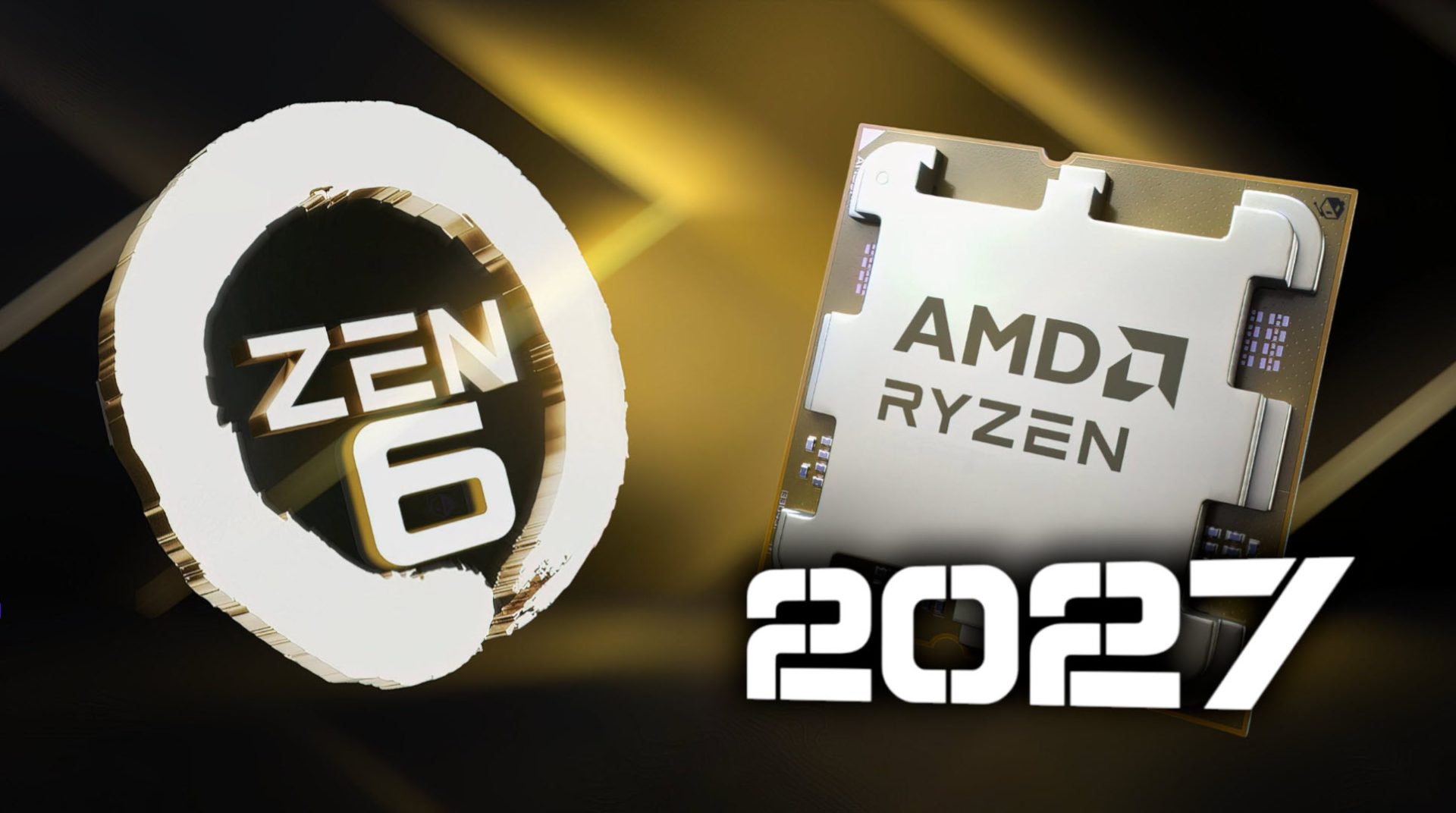
AMD's next-generation Zen 6 microarchitecture is generating significant buzz in the tech community as fresh leaks and confirmations emerge in mid-2026. With reports of record-breaking clock speeds, redesigned chiplets, and a push into advanced process nodes, the architecture promises substantial leaps in performance for both consumer and enterprise users. As of June 19, 2026, industry insiders are closely watching developments that could redefine high-end computing.
Latest Leaks Reveal Impressive Specs and Clock Speeds
Recent reports from reliable leakers like Moore's Law Is Dead highlight aggressive targets for Zen 6. Desktop Ryzen processors, codenamed Olympic Ridge or Medusa, are expected to feature up to 12 cores per Core Complex Die (CCD)—a 50% increase from the 8-core design in Zen 5. This enables flagship configurations with up to 24 cores and 48 threads using two CCDs.
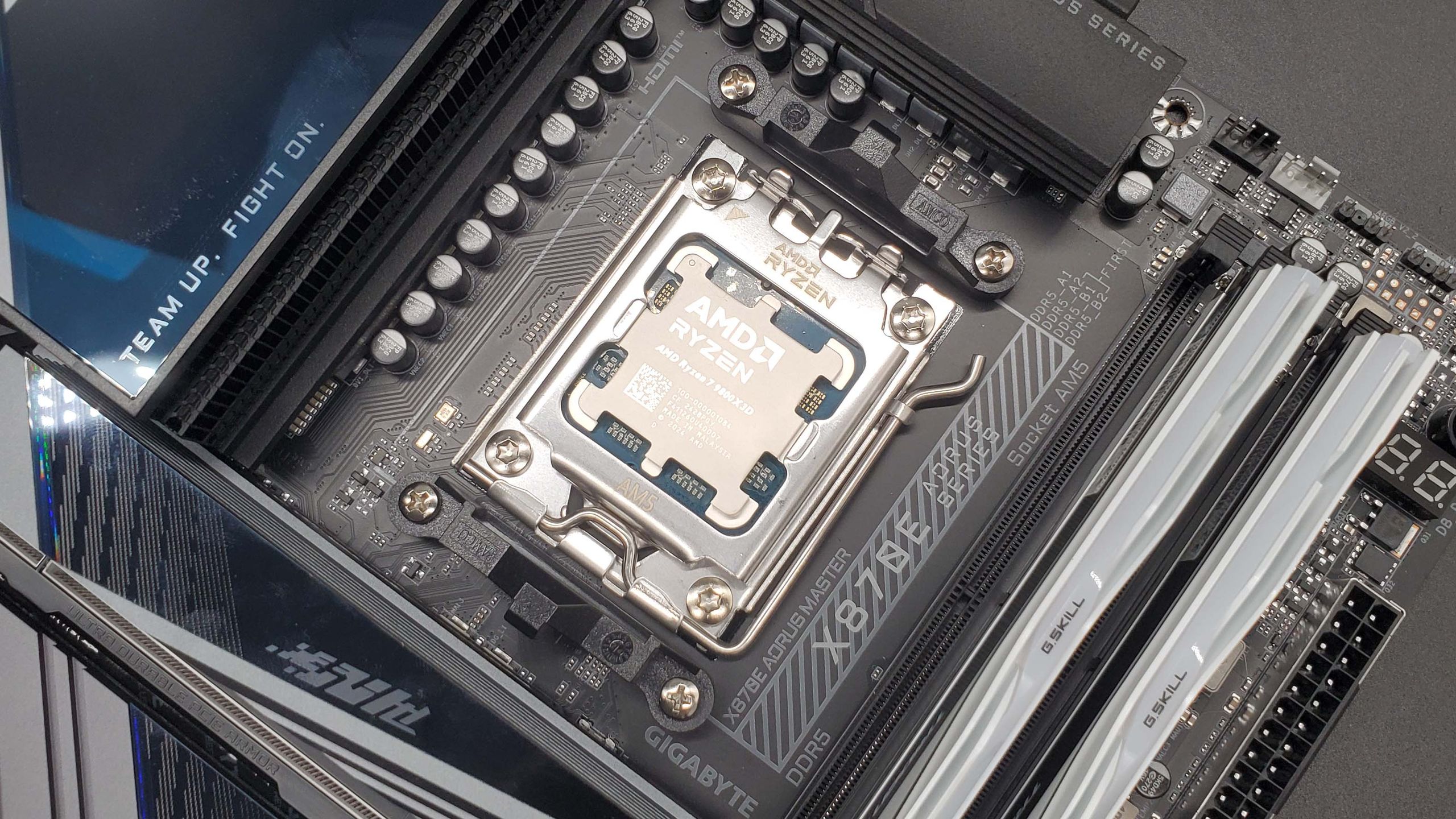 Image: pcgamer.com
Cache enhancements are notable, with each CCD reportedly packing 48MB of L3 cache, up from 32MB previously. On the performance front, leaks point to 10-15% IPC improvements over Zen 5, alongside clock speeds exceeding 6.5GHz, with internal testing reaching 6.6GHz in some cases. These figures represent a notable jump from Zen 5's top boost of 5.7GHz on the Ryzen 9 9950X.
The architecture is being fabricated on TSMC's advanced N2P (2nm-class) process for the CCDs and N3C for the I/O die, promising better efficiency and density. New instruction set extensions, including enhanced AVX-512 support and features like AVX_IFMA and AVX_VNNI_INT8, underscore AMD's focus on AI and vector workloads.
Release Timeline Points to Late 2026 or Early 2027
While AMD's broader roadmaps have confirmed Zen 6 development progress, consumer desktop launches appear targeted for late 2026 or early 2027. The B0 silicon stepping for the 'Powderhorn' CCD has reportedly taped out, signaling proximity to mass production. Server variants like EPYC 'Venice' are slated for 2026, potentially arriving first.
 Image: tweaktown.com
Mobile implementations, including Medusa Point and Halo, may follow in 2027. This timeline aligns with AMD's commitment to extended AM5 socket support through at least 2027, allowing existing motherboards to accommodate the new chips with possible BIOS updates.
Competition is heating up, with Zen 6 positioned to challenge Intel's Nova Lake in the high-core-count arena. Some reports suggest certain SKUs could prioritize an NPU over a traditional iGPU for AI-centric designs.
Enterprise Roadmap and Broader Ecosystem Impact
Beyond desktops, Zen 6 powers ambitious server plans. EPYC Venice is expected to scale up to 256 cores, leveraging the denser 12-core CCD design. Threadripper variants, such as 'Mustang Peak,' are also confirmed with Zen 6 cores, PCIe 6.0 support, and the same advanced process node.
These developments reinforce AMD's multi-chiplet strategy, enabling flexible scaling across segments. The architecture's throughput-oriented core design, with an eight-wide dispatch and strong SMT capabilities, is optimized for demanding parallel workloads.
Practical Insights for PC Builders and Upgraders
For enthusiasts on AM5 platforms, the news is encouraging—Zen 6 compatibility means your existing setup could receive a significant refresh without a full platform overhaul. Consider waiting for launch if you're eyeing a high-core workstation or gaming rig, especially with X3D gaming variants expected alongside standard models.
- Upgrade Tip: Monitor BIOS support from motherboard vendors like ASUS, MSI, and Gigabyte as launch approaches.
- Performance Expectation: Combined IPC and clock gains could deliver 20-30%+ uplifts in multi-threaded tasks compared to Zen 5 equivalents.
- Power and Cooling: Higher clocks may require robust cooling solutions; plan for enhanced thermal management in builds.
- AI Focus: If your workflow involves machine learning or content creation, the enhanced vector units and potential NPU integration will be key advantages.
Builders should also watch for DDR5-8000+ memory support optimizations to maximize the new architecture's bandwidth potential.
Conclusion: Zen 6 Positions AMD for Continued Dominance
As leaks solidify into firmer details, AMD Zen 6 emerges as a pivotal evolution, blending architectural innovation with practical platform longevity. With desktop availability potentially just months away by late 2026, the coming year promises exciting competition in the CPU space.