 Image: techtimes.com
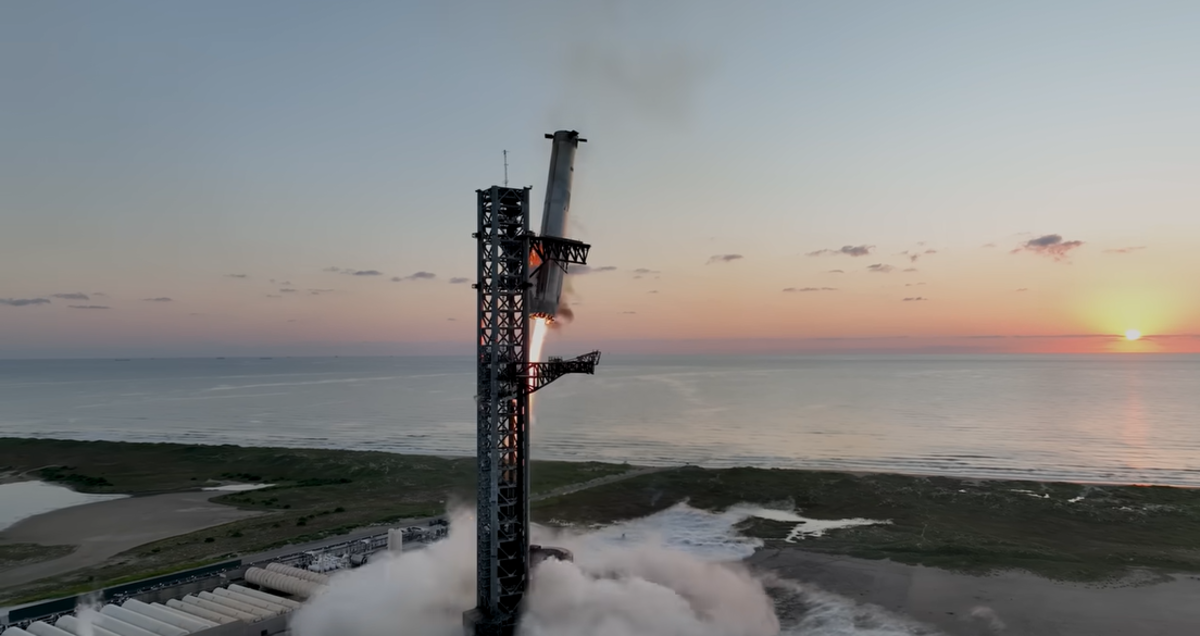
SpaceX is gearing up for what could be one of the most significant milestones in its Starship program yet. Just weeks after the impressive performance of Flight 13 on July 24, 2026, the company has set its sights on Flight 14, tentatively scheduled for the end of August. This upcoming test aims to achieve Starship’s first full orbital flight while attempting the groundbreaking catch of the upper stage, or Ship, using the Mechazilla tower arms at Starbase in Texas.
In SpaceX’s first quarterly earnings call since its historic IPO, CEO Elon Musk confirmed the ambitious plans on August 4, 2026. “I’d say things look very good, and that’s why we, assuming we receive regulatory approval to do so, will attempt to catch the Ship with the tower on the next flight, which is tentatively scheduled for the end of this month,” Musk stated. The mission will also mark the first deployment of operational Starlink V3 satellites into low Earth orbit.
Building on Flight 13 Success
Flight 13, launched on July 24 from Starbase, served as a critical dress rehearsal. It was the second flight of the Starship and Super Heavy V3 vehicles and the first to deploy next-generation Starlink V3 satellites—20 of them, though on a suborbital trajectory that saw them reenter shortly after. The Super Heavy booster ignited all 33 Raptor 3 engines successfully, performed hot-staging, and completed a high-thrust boostback burn. However, it ended the boostback early and experienced a hard splashdown in the Gulf after a partial landing burn.
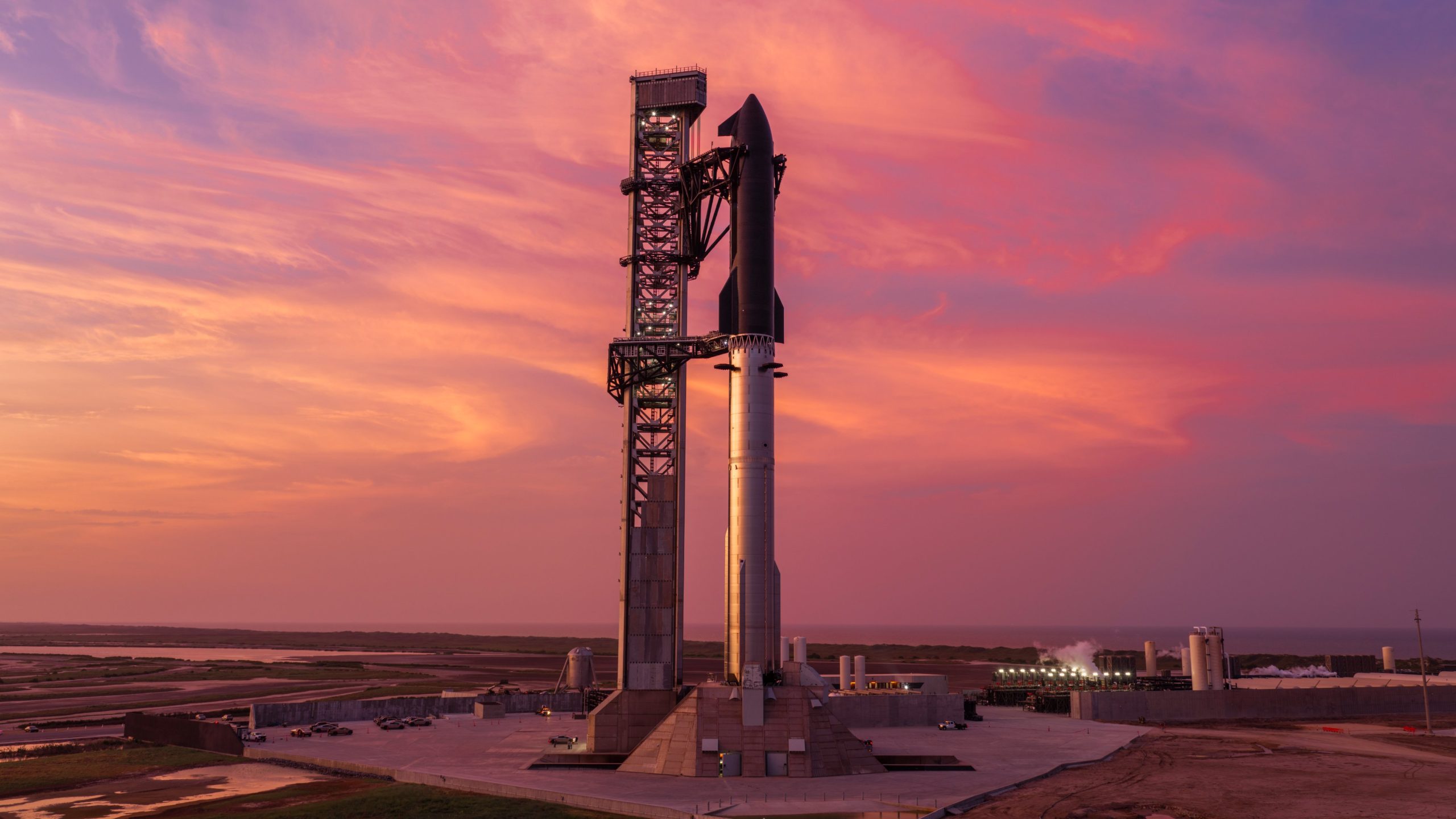 Image: spacelaunchschedule.com
The Ship, meanwhile, excelled. After a full-duration ascent burn, it deployed all 20 Starlink V3 satellites, communicated with them via radio and laser links, and demonstrated an in-space Raptor engine relight. Reentry data showed a robust heat shield, followed by a dynamic banking maneuver and a soft splashdown in the Indian Ocean. Remarkably, the Ship remained intact and floating days later, allowing recovery efforts. Musk declared the heat shield “problem solved,” providing the confidence needed for the next leap.
This success, particularly the precise landing that Musk noted “would have been caught by the tower arms,” cleared the path for Flight 14’s bolder objectives.
Flight 14 Mission Objectives and Hardware
Starship Flight 14, also known as Integrated Flight Test-14 or IFT-14, is expected to feature Booster 21 (B21) and Ship 41 (S41), both Block 3/V3 prototypes. Launch is planned from Pad B at Starbase. Key goals include:
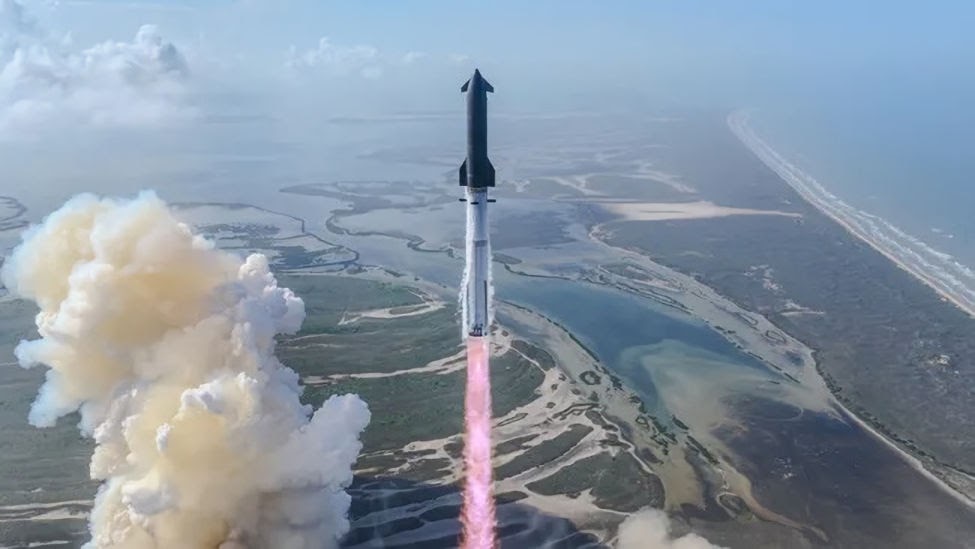 Image: thesilicongraybeard.blogspot.com
- Achieving Starship’s first orbital insertion after 13 primarily suborbital tests.
- Deploying a batch of operational Starlink V3 satellites into a stable low Earth orbit—the first time Starship will deliver viable payloads to orbit.
- Attempting the first-ever tower catch of the Ship upper stage using Mechazilla’s chopstick arms upon return from orbit.
- Demonstrating full reusability progress, with the booster likely aiming for a controlled splashdown or potential catch.
Unlike previous multi-minute suborbital hops ending in ocean splashdowns, this mission could last hours or even days due to its orbital profile, with the Ship potentially landing up to 48 hours after launch. The orbital trajectory is essential for the Ship catch, as it requires returning from the east after circling Earth rather than a simple ballistic arc.
Hardware progress is well underway. Ship 41 completed cryogenic proof tests, and Booster 21 has undergone its own cryo campaigns and is advancing toward engine installation and static fires. SpaceX has already successfully caught Super Heavy boosters multiple times, starting with Flight 5, but the Ship catch represents a new frontier for rapid reusability.
Regulatory Hurdles and Broader Implications
A major caveat remains regulatory approval from the FAA and other agencies for the Ship catch attempt over land at Starbase. SpaceX has emphasized that the attempt is contingent on this green light and final data reviews from Flight 13. The company has been recovering Ship 40 from the Indian Ocean for detailed post-flight analysis to confirm heat shield integrity and other systems.
Success on Flight 14 would accelerate Starship’s path to full and rapid reusability—a cornerstone of SpaceX’s vision for high-cadence launches supporting Starlink expansion, NASA’s Artemis lunar missions, and eventual Mars colonization. Musk projected that within a year, Starship could achieve at least one flight per day. The V3 Starlink sats, larger and more capable, will enhance constellation performance once a critical mass of around 1,000 is deployed, potentially by mid-2027.
This flight also ties into SpaceX’s post-IPO growth. The company reported strong Q2 2026 revenue of $7.8 billion, driven heavily by Starlink, while investing heavily in Starship and emerging AI initiatives like the planned Starmind constellation.
What to Watch and Practical Insights for Enthusiasts
As preparations ramp up, space watchers should monitor Starbase activity via official SpaceX updates, NASASpaceflight, and nextspaceflight.com for stack rollout, static fires, and wet dress rehearsals. Launch windows in late August will depend on weather, range availability, and regulatory timelines. Livestreams are expected on SpaceX’s channels.
For those tracking the program: Keep an eye on Raptor 3 engine performance, heat shield tile durability under orbital reentry loads, and the precision of the Ship’s entry, descent, and landing profile. A successful catch would dramatically reduce turnaround times and costs, potentially enabling the high flight rates needed for lunar landers and crewed missions.
Tips for following along include joining communities like NSF for real-time telemetry analysis and preparing for possible delays—Starship development has always been iterative. If the catch is scrubbed, expect a soft splashdown similar to Flight 13 while still achieving orbital deployment.
Looking Ahead: A New Era for Starship
Flight 14 stands as a pivotal test that could transform Starship from a promising prototype into a fully operational, reusable orbital workhorse. With Flight 13’s heat shield triumph and soft landing providing momentum, SpaceX is pushing boundaries faster than ever. Whether it nails the double milestone of orbit and catch or gathers more data for the next attempt, the mission underscores the relentless pace of innovation at Starbase.
As August progresses, all eyes will be on Texas. A successful Flight 14 wouldn’t just be another test—it would signal that the future of affordable, high-volume space access is arriving sooner than many imagined.